
REVIEW · TOKYO
Tokyo:Celebrate Unique Japanese New Year Tradition Festivity
Tokyo’s Oji Fox Parade turns New Year’s Eve into a folk tale. More than 200 people in kimono and fox masks carry glowing lanterns toward Oji Inari Shrine, recalling an old legend shown in famous ukiyo-e prints. The scene is far removed from a standard city countdown.
I like the reserved viewing area, which gives you a clear look at the procession instead of leaving you to fight for space. I also like the small-scale route through Oji, with a shrine, a park, and an optional local bar rather than one long wait in a giant crowd. The possible catch is organization: the guide service may provide the access and route without giving much commentary or clear timing.
Key points to know before booking
- Fox lanterns after dark: The procession’s glowing lights create the night’s most memorable sight.
- Reserved viewing space: You receive a crowd-free, permitted area with a strong view of the parade.
- Two tour lengths: Choose a two-hour procession and shrine visit, or add an hour of snacks and one drink.
- Oji beyond central Tokyo: The route includes Otonashi Water Park and Oji Shrine before the parade.
- Limited cultural explanation: The guide speaks English or Chinese, but the amount of live commentary may vary.
- Adult-focused outing: The activity is not suitable for children under 12 or wheelchair users.
Why Oji’s fox legend makes a better countdown
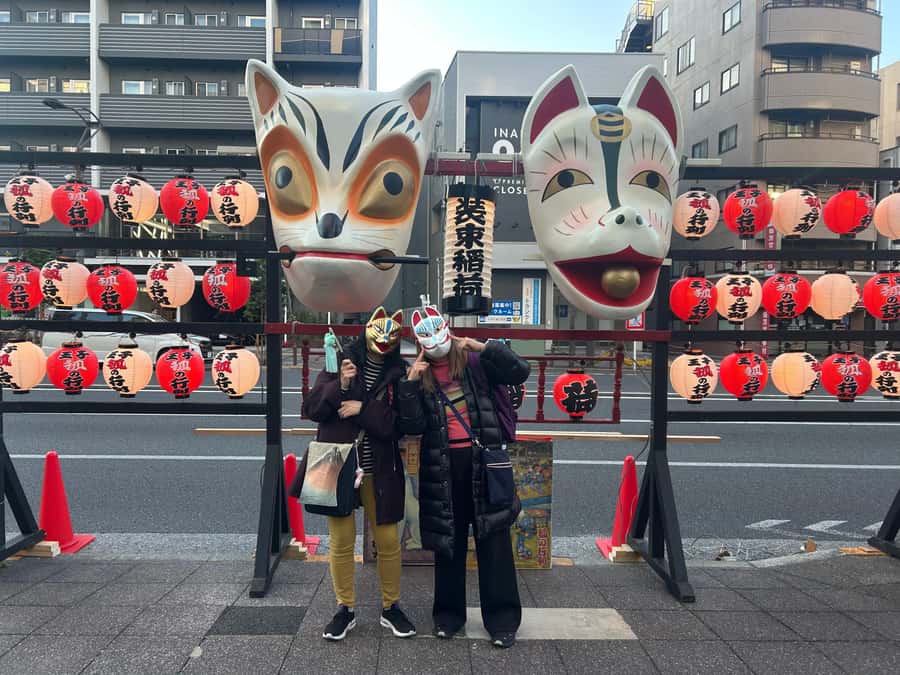
Most New Year’s Eve plans in Tokyo revolve around packed stations, noisy entertainment districts, or a shrine visit with little room to pause. Oji offers something stranger and more local: a night procession based on the belief that foxes from across the Kanto region gathered at a great tree before visiting Oji Inari Shrine.
The parade is tied to a well-known ukiyo-e image, which gives the event a strong visual identity. You are not simply watching people walk through town. You are seeing a modern festival built around a supernatural story, with fox masks, traditional clothing, lanterns, and shrine rituals.
The key image is kitsunebi, or foxfire. The lanterns represent the eerie lights said to appear when foxes travel at night. In practical terms, the effect depends on darkness and your position along the route. That is why the reserved viewing zone matters. A good spot lets you see the procession clearly instead of catching quick glimpses through a wall of phones.
This is a once-a-year event, so timing is fixed by New Year’s Eve rather than your sightseeing schedule. If you want a flexible evening, this may be inconvenient. If you want a very specific Japanese tradition, the fixed date is the whole point.
More New Year Celebrations in the world:
- Vienna: Christmas & New Year’s Concert in St. Peter’s Church
★ 4.6 · 763 reviews - Christmas and New Year Concert at St. Peter’s Church in Vienna
★ 4.5 · 155 reviews - Madeira: New Year’s Eve Fireworks by Catamaran
★ 4.4 · 72 reviews
Meeting at JR Oji Station
The meeting point is the north entrance of JR Oji Station on the Keihin-Tohoku Line. You can also reach Oji on the Tokyo Metro Namboku Line. From the subway, use Exit 3 and walk to the ground-level north entrance of the JR station.
Look for the guide holding a fox mask. That detail is useful because station entrances can become confusing on a busy holiday night. I would arrive early enough to find the correct entrance, use the restroom, and put on your warm layers before the group moves.
The activity is walking-based. There is no stated private vehicle transfer between the stops, so wear comfortable shoes and expect to be outdoors for parts of the evening. The route is not suitable for wheelchair users, and the activity is not recommended for people with back problems, pregnant people, or those with heart problems or other serious medical conditions.
The published duration is two to three hours. The longer option includes about an hour at a local bar, while the shorter option focuses on the shrine visit and parade viewing.
An izakaya stop with a useful trade-off

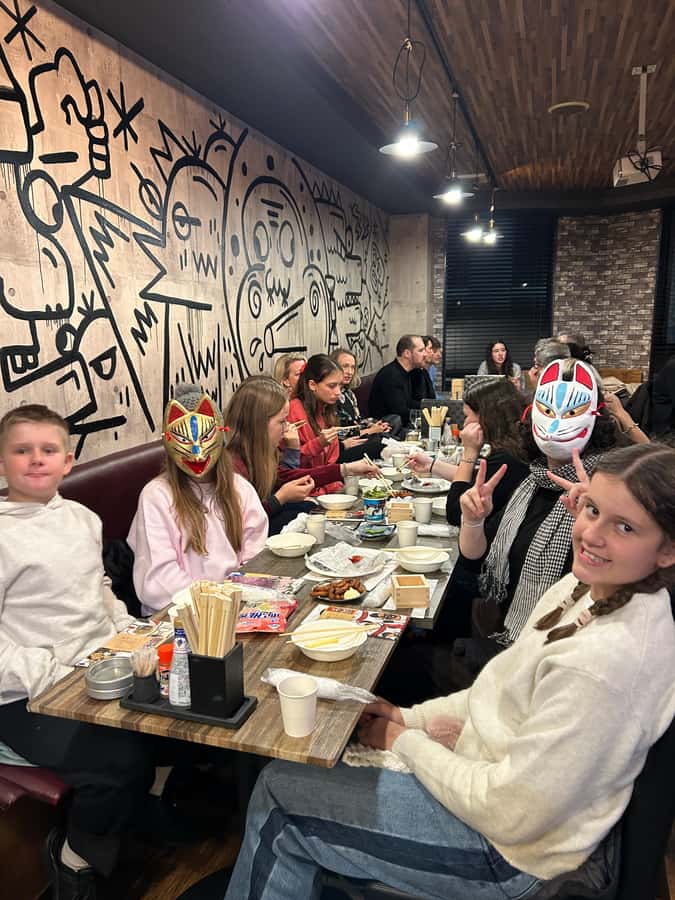
The three-hour option begins with about an hour at a local bar. You receive snacks and one drink, with beer, wine, or a local drink listed among the choices. This is a practical way to warm up before the outdoor portion of the evening, especially in late December.
The appeal is less about a formal meal and more about having a place to sit, eat, and make a toast before midnight. The food is described as plentiful, and the hosts at the bar are friendly. You should not expect a detailed food lesson, though. The arrangement is casual, and explanations about individual dishes may be limited.
That distinction matters when you compare the price. The three-hour option is listed at JPY 15,000, while the two-hour parade and shrine option is JPY 10,000. The shorter choice may suit you if you mainly want access to the procession. The longer one makes more sense if you value a drink, snacks, and a warm indoor pause.
The headline price is also shown as $64 per person, which does not match either yen amount exactly. Currency conversion changes, but the difference is large enough that you should check the final booking price and selected option carefully. For the higher price, you are paying mainly for reserved access, a guide, and the food and drink stop, not a full dinner or a long private tour.
Otonashi Water Park and the quieter side of Oji
The route continues to Otonashi Water Park for roughly 15 minutes. This is a short stop, so treat it as part of the walk rather than a major attraction with extended sightseeing time.
Its value is that it adds a calmer setting before the crowds gather around the parade. You get a little context for Oji as a neighborhood, not only as the place where the New Year’s procession takes place. The visit is brief, and the stop may feel modest if you are expecting a large park or a major landmark.
I would use this pause to ask your guide about the fox legend, the shrine, and how the local New Year customs fit together. The tour promises cultural background, but the amount of explanation can vary. One useful lesson from the way this outing is organized is that you may need to ask questions rather than wait for a full running commentary.
A few more festive trips around the world worth a look
- London: Christmas Lights Bus Tour With Live Guide
★ 4.0 · 5,410 reviews - From Manhattan: 4-Hour Dyker Heights Holiday Lights Bus Tour
★ 4.6 · 2,426 reviews - London by Night Bus Tour with Christmas Lights and Live Guide
★ 4.5 · 2,040 reviews - Auckland: Hobbiton Movie Set Day Trip with Festive Lunch
★ 4.8 · 1,431 reviews
Oji Shrine before the midnight crowds
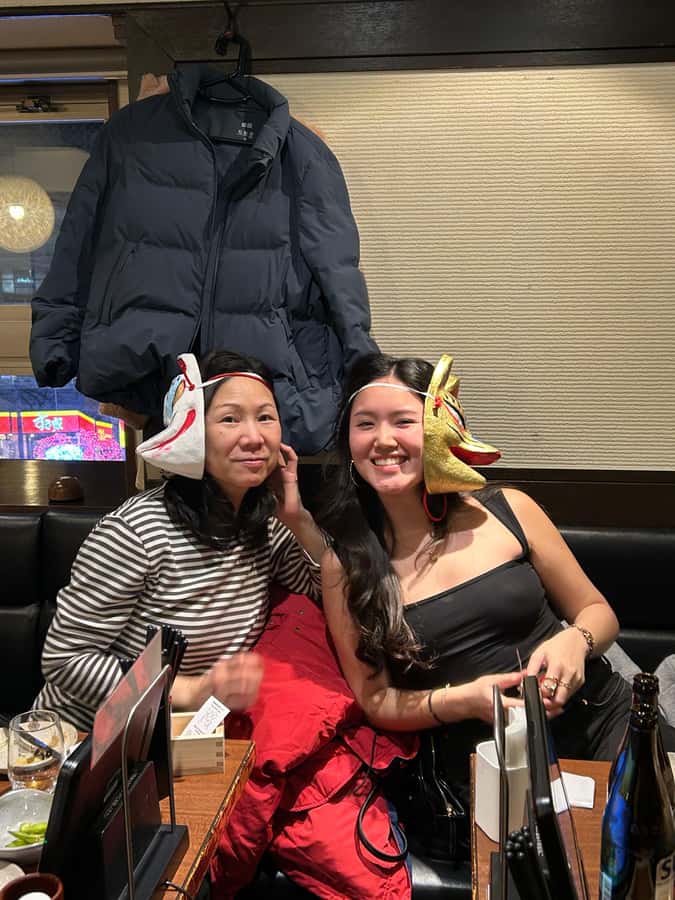
The shrine visit lasts about 45 minutes. Oji Shrine is an important part of the evening because it connects the parade’s folklore to a real place of worship. The stop gives the route a sense of purpose: you are not only watching costumed participants, you are following a New Year tradition toward a shrine.
This is also the part of the outing where etiquette matters. Keep your voice low, follow the guide’s instructions, and avoid blocking worshippers while taking photos. Flash photography is not allowed, so set your camera for low light before the procession begins.
The shrine visit is likely to be more useful for someone who wants cultural context than for someone simply seeking dramatic photographs. The supplied information promises an expert local guide and explanations of shrine customs, but recent booking feedback points to a weakness: some participants received little or no explanation at the shrine or during the transfers between stops.
That does not cancel the value of the location, but it changes your expectations. Think of the guide primarily as someone who gets you through the evening and into the right viewing area. If you want a lecture on Japanese folklore, be ready to ask direct questions.
The reserved viewpoint and the fox procession
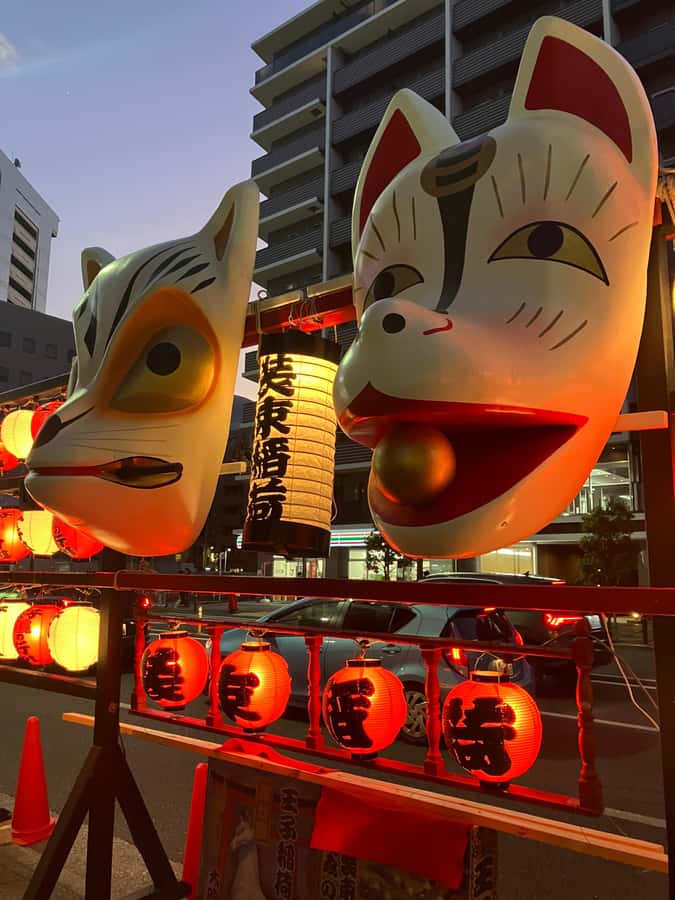
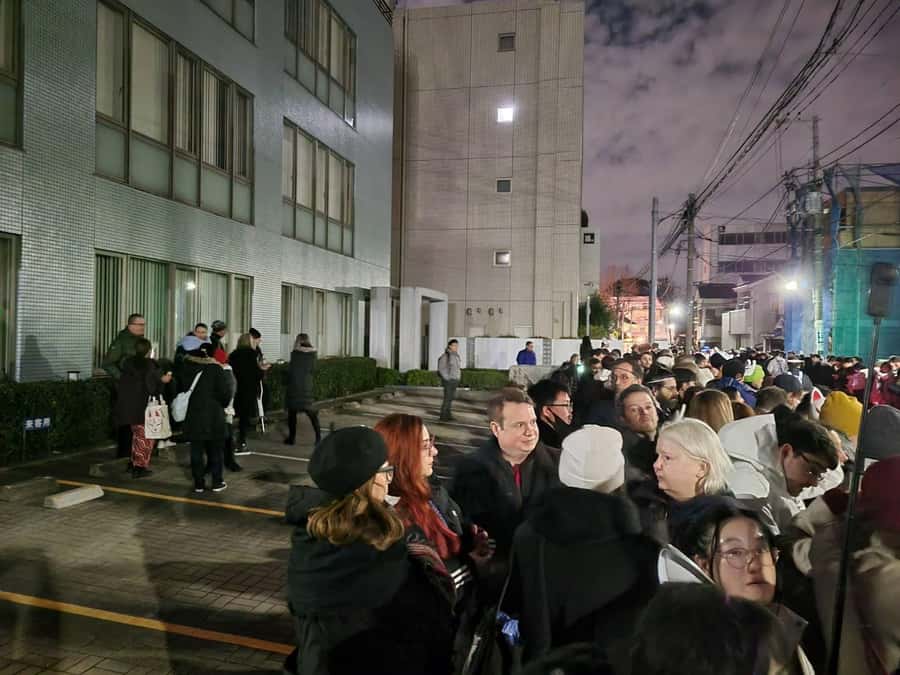
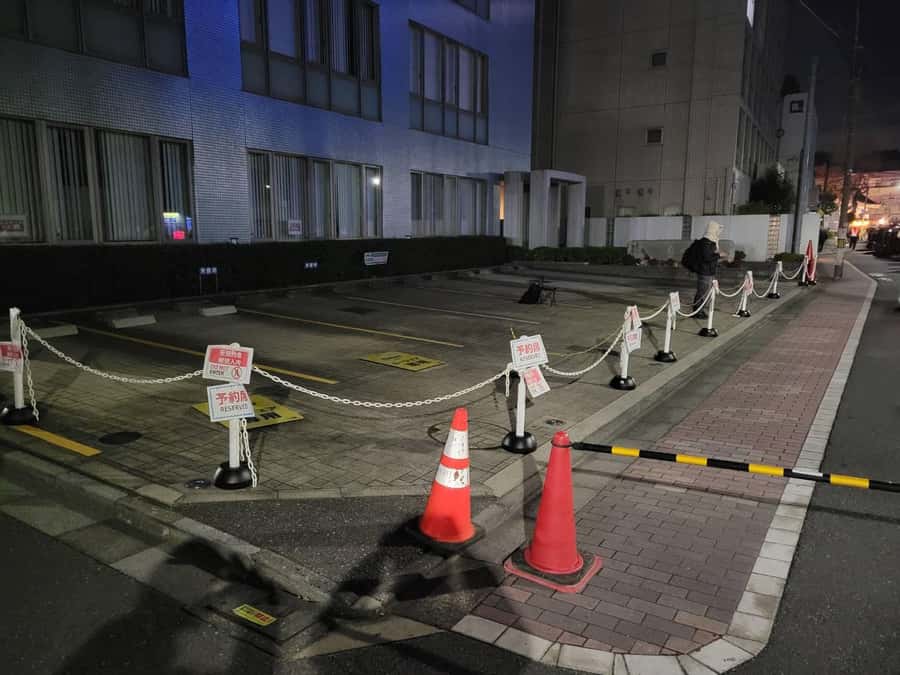
The final viewpoint is scheduled for about 30 minutes and includes the main photo stop. This is where the tour earns much of its cost. A special permitted viewing zone is reserved for the group, giving you a clear view without the usual scramble for a place along the street.
The procession includes more than 200 participants in kimono and fox masks. Their lanterns create the strongest visual moment of the night, especially as the group moves through the darkness. The result is more atmospheric than a loud countdown. You trade fireworks and party noise for a slow, uncanny parade connected to local folklore.
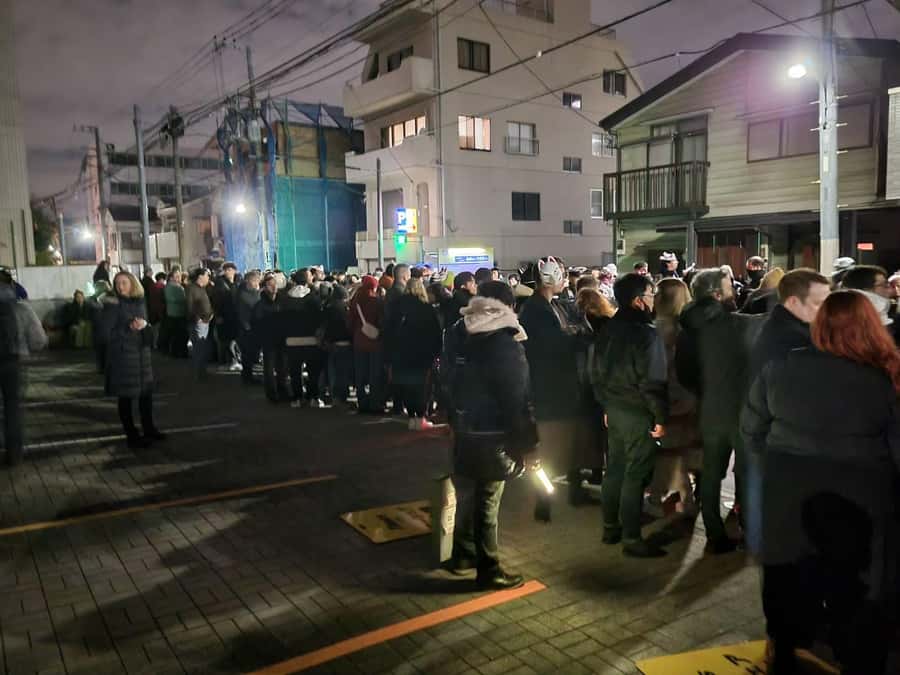
Expect some waiting before the procession begins. The schedule includes time at the viewpoint for the midnight countdown, and the event itself is tied to New Year’s Eve timing. Bring warm clothing, even if the bar is part of your plan. You may spend time standing outdoors, and comfortable shoes matter more than stylish ones.
The reserved area solves the biggest practical problem at a popular public event, but it does not guarantee a perfectly managed evening. Some booking feedback describes an improvised wait, an abrupt move from the restaurant to the viewing place, and limited information from several guides. If you dislike uncertainty, ask at the start when the group will leave each stop and where you should stand during the countdown.
What the guide service adds, and where it falls short

The tour is offered in English and Chinese. The guide meets you at the station, checks names, leads the group through the stops, and brings you to the reserved viewing area. That is useful on a crowded holiday night when streets, station exits, and viewing zones may be hard to sort out.
The cultural promise is important. The fox parade is much more meaningful when you understand the legend, the role of Oji Inari Shrine, and the idea of kitsunebi. Yet you should keep your expectations measured. The experience may be more of an escorted event visit than a traditional, talk-filled walking tour.
A recurring practical concern is poor communication about the schedule. You may be led from the station to the bar without a full welcome, then moved to the viewing area with little warning. I would ask three questions at the beginning:
- What time will we leave the bar?
- Where exactly will we watch the parade?
- How long will we wait outside before midnight?
Those questions take less than a minute and can make the night feel much less improvised.
Choosing between two and three hours
The two-hour option includes the fox procession viewing and shrine visit. At JPY 10,000, it is the simpler choice and the better fit if your main goal is the parade. You skip the bar and receive no listed snacks or drink.
The three-hour version costs JPY 15,000 and adds the local bar, snacks, and one drink. I would choose it if you want a social start, need a warm indoor break, or prefer to have the evening organized from the station rather than arrange your own pre-parade meal.
Neither option is a full New Year’s Eve dinner. The snacks are part of a casual izakaya stop, and one drink is included. If you want a substantial meal, plan accordingly, though the exact schedule may limit your freedom once the group moves toward the viewpoint.
At either length, the reserved viewing area is the main practical advantage. If you can find your own food and are comfortable locating public viewing space, the shorter tour may provide better value. If the parade is the central event of your night, paying for a clear view and guided access can be reasonable.
Who should book this Oji night
I would recommend this experience to adults who enjoy Japanese folklore, shrine traditions, unusual neighborhood events, and strong nighttime photography. It is especially suited to someone who would rather see a local festival than join a generic downtown countdown.
You should also be comfortable standing outdoors, walking between stops, and accepting a little uncertainty in the schedule. The activity is not suitable for children under 12, wheelchair users, or people with the listed medical and mobility concerns.
I would be cautious if you expect a polished production with constant narration. The parade itself is the star. The guide service can help you reach the right places, but the cultural explanation and group communication may not be as strong as the description suggests.
Free cancellation is available up to 24 hours before the activity, and you can reserve now and pay later. Those policies help if your New Year’s plans are still shifting, but they do not change the need to confirm the exact price, time, and option before paying.
My booking verdict
Book this if you want a rare, visually striking New Year’s Eve tradition and value a reserved place for the fox procession. The lanterns, masks, shrine setting, and Oji location give the night a character you will not get from a standard countdown.
Skip it if you mainly want a detailed guided lesson, a full dinner, or a tightly timed tour with frequent updates. For the best match, choose the three-hour option if the bar and snacks appeal to you, or the two-hour option if the procession and shrine are all you need. Arrive warm, ask for the schedule, and treat the guide’s reserved access as the main service you are buying.
FAQ
Where does the activity meet?
Meet at the north entrance of JR Oji Station on the Keihin-Tohoku Line. You can also reach Oji Station on the Tokyo Metro Namboku Line.
How do I reach the meeting point from the Tokyo Metro station?
Use Exit 3 of Tokyo Metro Oji Station and go to the ground-level north entrance of JR Oji Station.
How will I recognize the guide?
The guide will show a fox mask.
What languages are available?
The live tour guide service is available in English and Chinese.
How long does the activity last?
You can choose a two-hour or three-hour option, depending on whether you include the local bar, snacks, and one drink.
What does the two-hour option include?
It includes fox procession viewing and a shrine visit.
What does the three-hour option include?
It includes fox procession viewing, a shrine visit, snacks, and one drink at a local bar.
What can I expect at the local bar?
The stop lasts about one hour and offers beer, wine, local snacks, and one included drink with the longer option.
What should I bring?
Bring comfortable shoes, warm clothing, and a camera.
Is the activity suitable for children or wheelchair users?
It is not suitable for children under 12 or wheelchair users. It is also not recommended for people with back problems, pregnant people, heart problems, or other serious medical conditions.
Just added around the world
- Würzburg: Brückenschoppen Winter Edition (guided tour with mulled wine)★ 4.7 · 14 reviews
- Würzburg in winter: the Residenz, old town, and mulled wine★ 5.0 · 2 reviews
- Washington, DC: Christmas Tree & Holiday Lights Bus Tour★ 4.5 · 4 reviews
- Windsor, Bath, Stonehenge & Salisbury with Christmas Lunch★ 4.3 · 3 reviews
- Wroclaw: Private 1h Christmas River Cruise★ 5.0 · 2 reviews
- Visit the authentic Christmas market in Obernai★ 3.0 · 3 reviews
- Vienna: Festive Season and New Year’s Eve Waltz Workshop★ 5.0 · 3 reviews
- Wien: Tour with locals on the trails of the Christmas Tree★ 4.6 · 7 reviews
Tokyo Christmas Tours, compared.

Tokyo 2026 New Year Countdown International Party & Cake buffet
Read our review →
Holiday Lights Walk Tour Hibiya Midtown Tokyo Station Marunouchi
Read our review →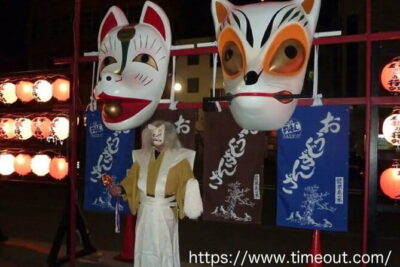
Celebrate Unique Japanese New Year Tradition Culture Festivity
Read our review →
Browse the lists this tour appears in